A design-led product studio building AI-native software, end to end.
Intelliwav is a one-person product studio, where I incubate, design, and engineer AI-native software end to end, from a first sketch to live deployment. Executive design judgment paired with genuine technical depth, in one pair of hands.
Selected work
Lixor
Live · App Store & Google PlayInventory by voice and vision, for bars and restaurants.
Co-founded and built solo: the Next.js web platform and React Native iOS/Android apps on a Supabase backend, from concept to live use in real venues. Voice-first counting, AI photo recognition for liquid-level estimation, and Lix, a RAG-based domain assistant grounded in bar operations.
Vessor
Working prototype · in private demosTurn a spoken description into a finished listing.
An AI platform for resale and one-of-a-kind retail. Describe an item out loud and it produces a finished, photographed listing — then syncs it and the inventory behind it across every marketplace in real time, so nothing sells twice. Currently a working prototype, demoing to shops ahead of the full build.
Studio
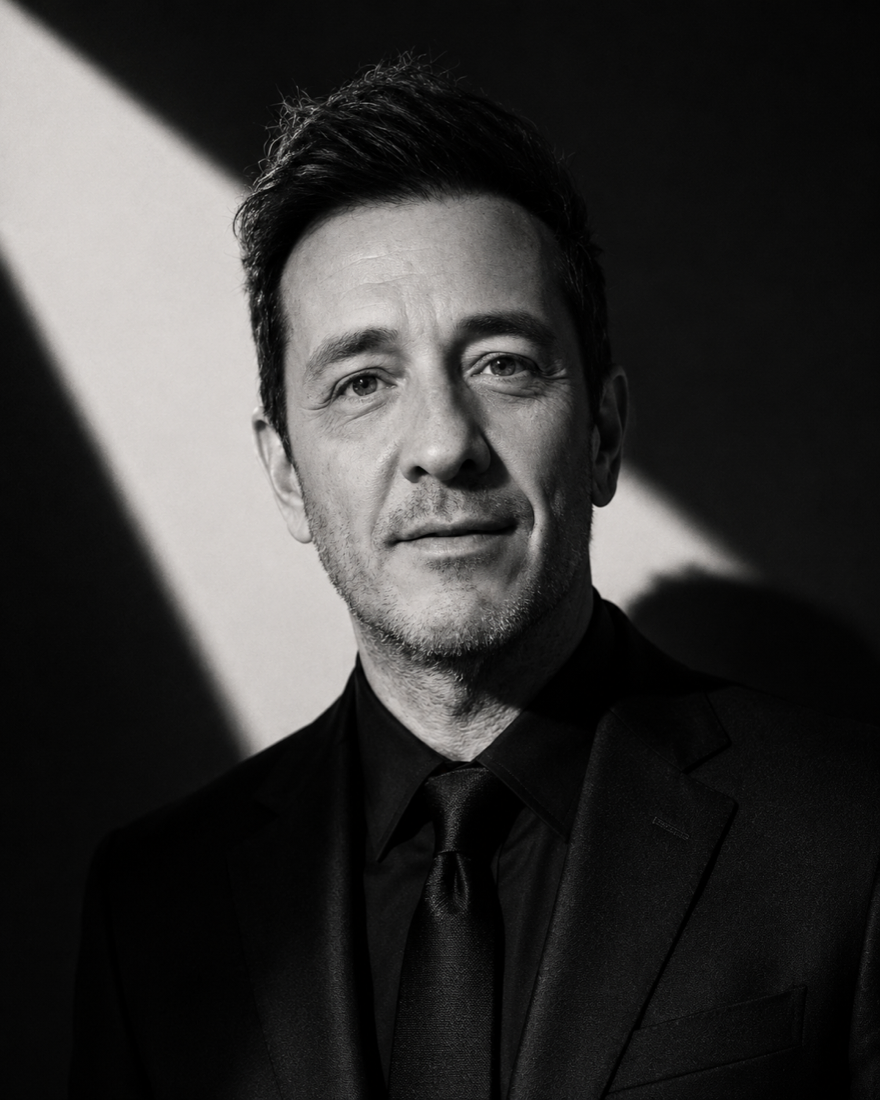 Tony Corneto · Founder
Intelliwav is a one-person product studio. I take AI-native software from a first sketch to live deployment — product, design, frontend, backend, and applied AI — without handing off between disciplines.
It's led by me, Tony Corneto. For 18+ years I've led product design and large-scale UX — at HackerOne, Operative, CDK Global, and Virtuoso, and today as VP of Product Design at Invisible. What the studio brings is rare: executive design judgment paired with the ability to write the production code, ship the apps, and wire up the AI myself.
Grounded in a master's in Human-Centered Design & Engineering (University of Washington). The studio's bet is simple — the best AI-native products now come from one mind orchestrating design and engineering together. That's how Lixor and Vessor get built.
How the studio works
Incubate
Start from a real, observed problem — researched with the people who'd actually use it, not a feature list.
Design
Shape the product end to end: strategy, flows, interface, feel. Executive design judgment, applied first.
Engineer
Build the whole stack — native mobile, web, backend, and the applied AI that makes it work.
Ship
Into real hands. Published to the stores, deployed to production, iterated against live use.
Capabilities
Design leadership
Vision, design systems, team building and craft quality at the executive level.
Product & UX
Research, strategy and interface design — zero to shipped.
Full-stack engineering
Native mobile and web on React Native, Next.js and Supabase.
Applied AI
Voice, vision, language and RAG wired into real products.
Most teams need a designer, three engineers and a PM to ship an AI product. I can lead that team — or be it.
I write production code, work directly across Claude, OpenAI and Cursor, and move fluidly from a PRD to a pull request to leading a design team in Figma.
Stack: React Native, Next.js, Supabase (Postgres, pgvector, edge functions), OpenAI, Cursor, and Claude Code.